“Let the silences speak again.” — Michel Foucault, paraphrased in The Archaeology of Knowledge
Unequal Beginnings
Our project began not with a story, but with a number.
In the manually extracted occupier data from the archive「The Housing of the Working Classes Act, 1890 & Quarry Hill Unhealthy Area, 1900」, 78% of the residents were male and only 17% were female.
Vanishing in the Records
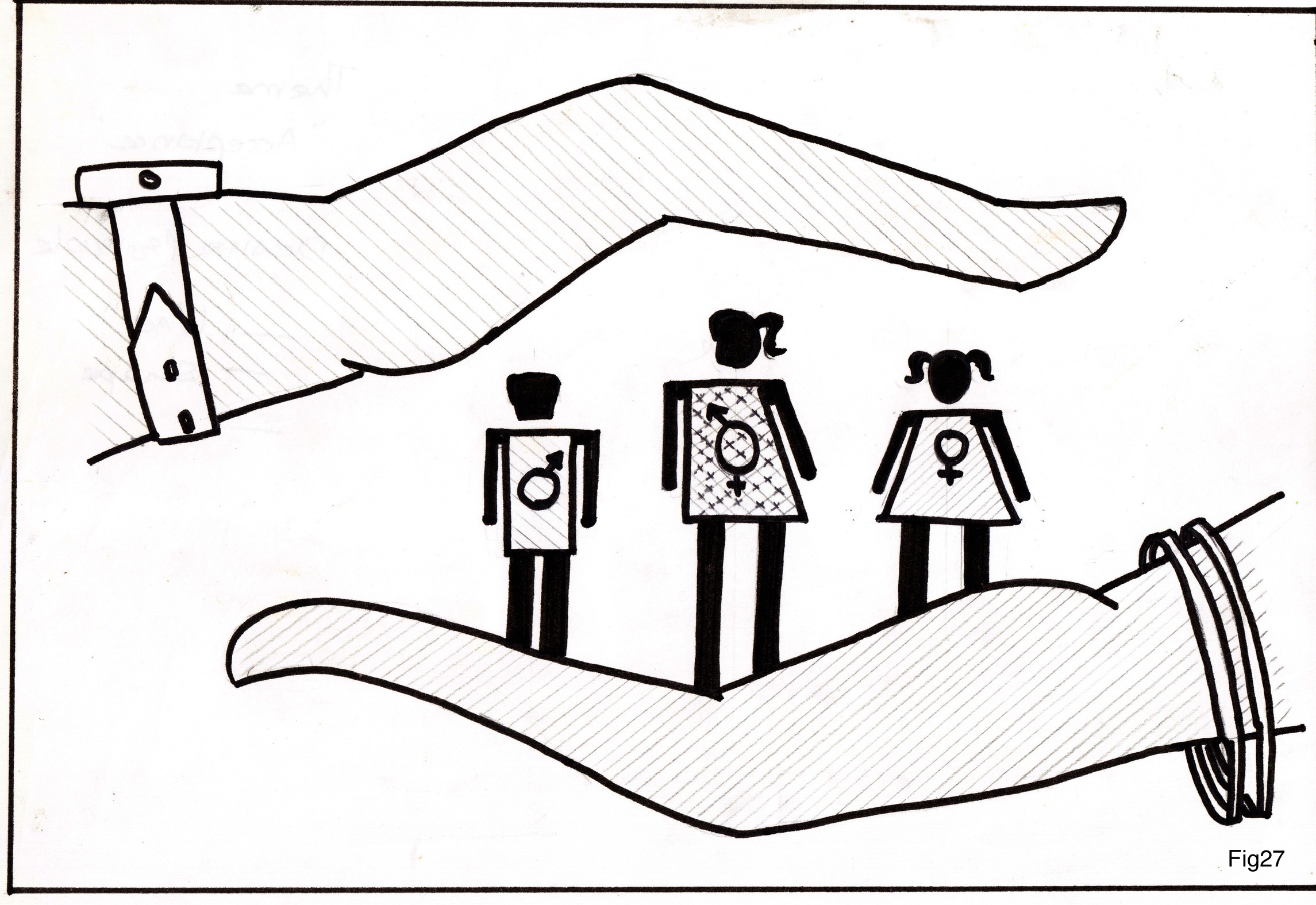
This systemic data absence is more than a historical oversight; it reflects the deep-seated gender power dynamics in urban spatial construction.
Not Just Quarry Hill
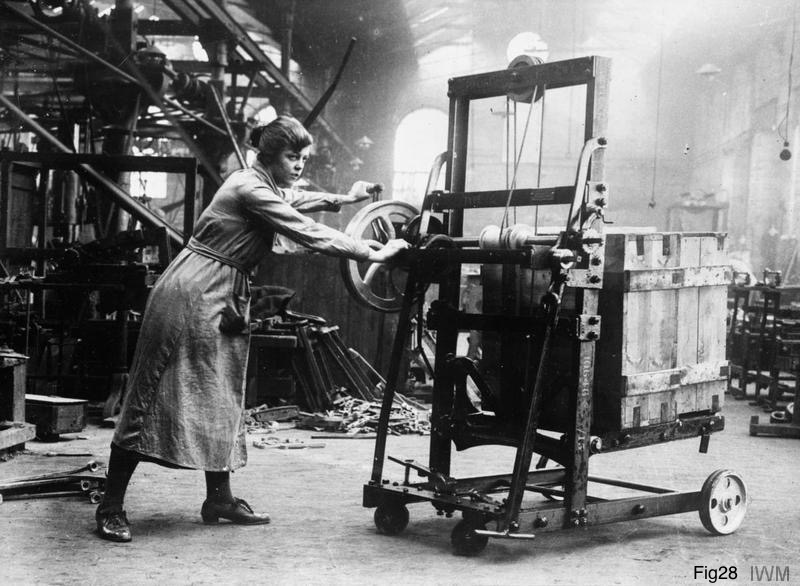
Quarry Hill’s case is not unique; gender data erasure pervaded early 20th-century industries.
From the Archive to Our Lives
We chose the archive of Quarry Hill because it made visible something deeply structural:the systematic erasure of working-class women from public records, planning documents, and social infrastructure.
What we learned?
As international students navigating foreign archives, we encounter not just historical fragments, but the continuity of gender equality struggles. When Quarry Hill’s planners replaced "women" with "families" and obscured "mothers" behind "household heads," they inadvertently created a genderless utopia.
Our work aims to reconstruct the female life world behind these sanitized statistics. From 1900s phonograph studios to 2025 algorithm labs, the disappearance and reconstruction of gender data mirror civilizational progress.
This research hopes to remind us: with half the population’s data in semi-transparency, we inherit an incomplete history, an unjust present, and a flawed future. Only by bringing "her data" into public view can we realize Foucault’s (2013) vision of letting silent discourses speak again, making urban planning, industrial development, and social governance truly inclusive undertakings.